January 15, 2026
The Story of a Teacher with Danielle Merritt-Sunseri
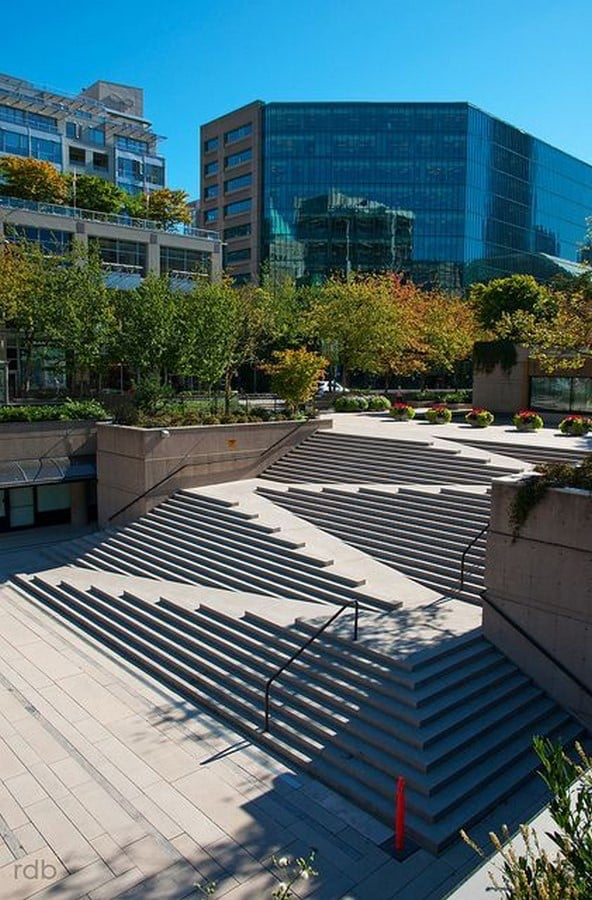
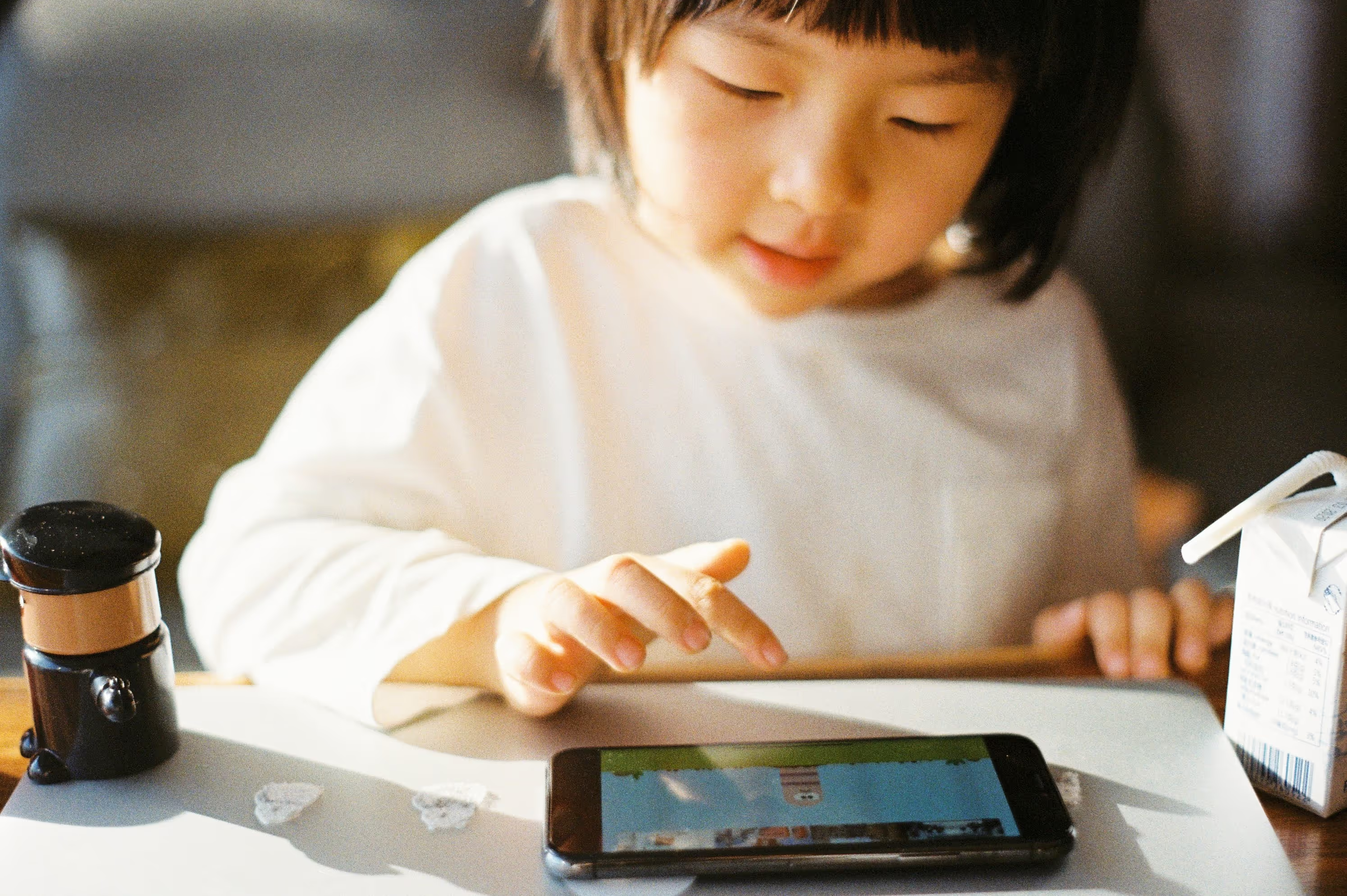
A few years ago I was blessed to witness one of the most beautiful classrooms I have ever seen. It was in rural Pennsylvania in the cool crispness of late March. The teacher, we’ll call her Miss M, was giving a nature study lesson about seashells. Miss M. told her class a story about a visit to the seaside and shared how special her collection of shells were to her before letting them explore the shells for themselves. What was so stunning about this lesson was that Miss M managed to conduct a symphonic dance in which every one of those 20 or so students was able to observe and narrate in whatever way best fitted them. Some studied their shells with magnifiers; some listened to their shells with a hand over the opposite ear; some looked at the way their shells changed when wetted in a pan of water; some measured their shells with rulers. Some students drew in their nature journals; some talked aloud to their classmates; there was even room for a student who needed to dictate and journal in tandem with Miss M.
The memory of this lesson in my mind is a Mason science lesson at its best. Each person was permitted to engage and share what they knew in the way best fitted to them. The memory of this lesson is also a shining example of universal design for learning (UDL). UDL is an idea borrowed from architecture. Consider, for example, this building at the Smithsonian Institute:
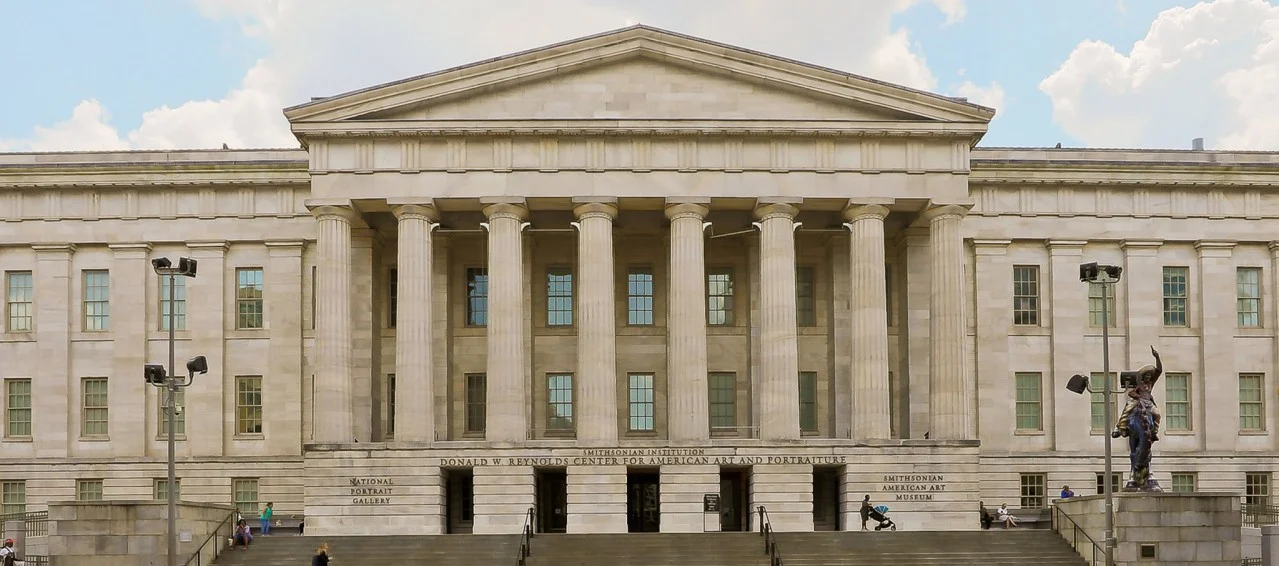
How does a person using a wheelchair enter this building? How about a person who is blind or visually impaired? What about any person that just has a difficulty with stairs? There is one obvious way to enter this building. There might be a side entrance or maybe a ramp that was added around the back, but it’s not obvious where that is and the people needing another way to enter the building probably aren’t going to feel very welcome. The entrance to the building is now an obstacle for those people.
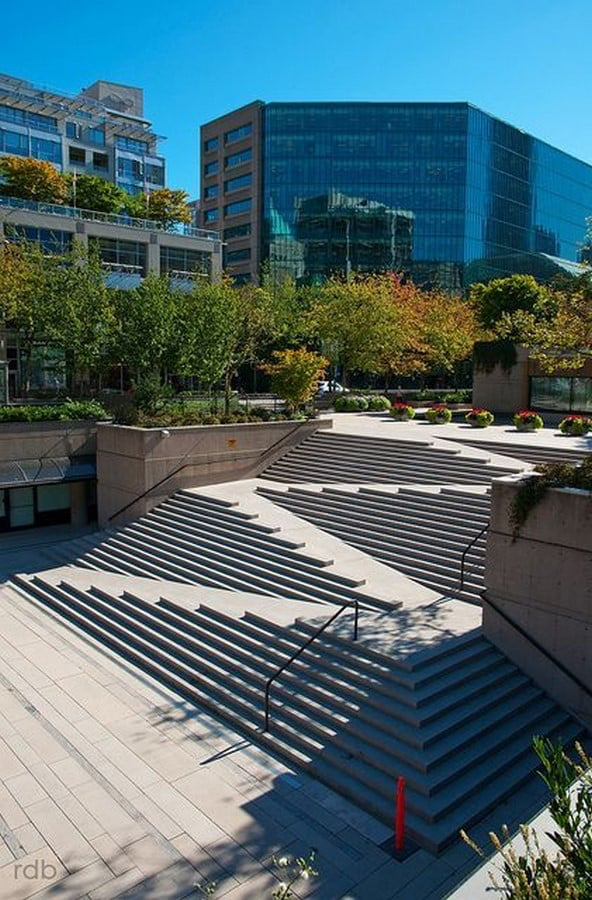
Now take a look at this entrance at Robson Square in Vancouver:
And this one at St. Olav’s Hospital in Norway:
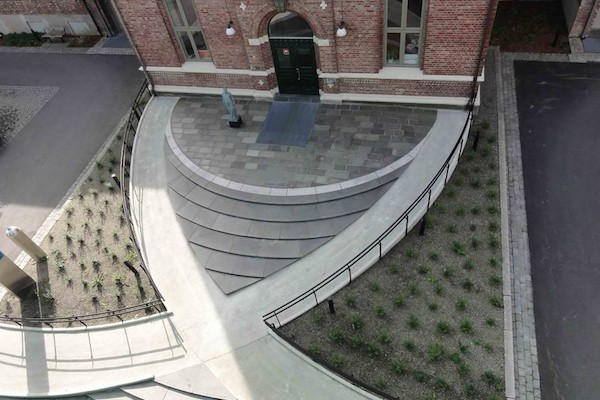
The architects who designed these entrances solved the problem in very different, but equally beautiful, ways. Everyone who enters these buildings has a choice regardless of whether they have limitations and regardless of what those limitations might be. And neither of those choices is better than the other. In fact, they are beautifully integrated; they’re flexible; and everyone enters together.
As I was working toward my own certification in UDL, I was struck with an awareness that Mason was really a UDL educator long before it became ‘a thing.’ In Home Education, she writes, “It’s very important to let children narrate in their own way" (289). Similarly, in Towards a Philosophy of Education: “Each person has to do his own learning for himself, but it's as pleasurable and as natural as a bird singing its song. In fact, the act of knowing is a natural function" (292).
Narration, as demonstrated in Miss M’s classroom, provides the flexibility needed to allow every person to enter. With the practice of narration, the learner is working with ideas in their own way, based on their previous knowledge, their experience, and their personality.
As classrooms and schoolrooms in our own place and time include an even broader range of learners, this quality of narration becomes ever more important. The beauty is that we can extend this quality to the entire lesson. Everything from how learners access the ideas to how they engage with them to how they demonstrate what they’ve learned can be done from the mindset that “each person has to do his own learning for himself,” in his own way. For example, learners might choose to sit on the floor and listen to an oral story together or to curl up in their own corner to read on their own or to pop on some headphones to watch a documentary video - all of these are valid choices to access the ideas of a lesson, but some may be more accessible to one learner versus another. Learners might engage with the ideas by externalizing what they see with a friend or by using their hands to do or by walking circles while quietly talking to themselves. Learners might demonstrate their knowledge through oral narration with the class, through written or drawn means, or through one-on-one discussion.
Everything from how learners access the ideas to how they engage with them to how they demonstrate what they’ve learned can be done from the mindset that “each person has to do his own learning for himself,” in his own way.
All of these permutations might seem like an unreasonable juggling act – until we realize that it’s not the teacher’s job to figure out what is the best way for each person to learn. It’s only the teacher’s job to make learning accessible by being flexible. The biggest catch is that just like narration, we have to think flexibly (or learn how to think flexibly). And we have to put some trust in the learner because we’re going to give them choices within the structure that we provide. That can feel a little bit scary at first, but in the long run, it actually makes everything so much easier because we’re working with the child’s nature instead of against it. And this is why Miss M is my teacher hero: because she stands up to that stunning challenge with grace and flexibility and so gifts each student in her care with lifelong relationship.
It’s only the teacher’s job to make learning accessible by being flexible.
Bio
Danielle Merritt-Sunseri grew up in a quirky family on the coast of Virginia and in the mountains of Pennsylvania. She completed her Bachelor of Science in Chemistry (2000) at St. Francis University, Loretto and her Master of Science in Chemistry (2003) at the Pennsylvania State University. When she decided that it was time to leave the research lab, a providential Google search introduced her to Charlotte Mason. Her Mason education began in 2009. In Home Education, Danielle found her theological training and her dearest educational experiences growing together into a beautiful garden, more deeply connected than she had previously understood. Danielle is a certified educator in Universal Design for Learning, a writer and developer for the Alveary curriculum, and a cofounder of the Blue Orchard Bee, CMI’s initiative toward a relational education for neurodivergent persons, which began in 2019. She currently lives in North Carolina with her husband, Jay, and their 3 youngest children. Danielle is a late-diagnosed autistic person that enjoys planning and designing projects, handicrafts, the symphony, and a good conversation with her cats.
