January 31, 2026
Alveary: What's New for 2026-27?

Because of invaluable member feedback every year, we are able to continue responding to the needs of parents and teachers to improve our current offerings and add new resources to encourage and equip everyone we have the pleasure of serving. Here are a few exciting updates on courses for the coming Alveary year.
From Dr. Shannon Whiteside, Alveary Program Director
It is time again for our course and book list release! For the 2026-2027 school year, students will study 1800-1900 A.D. for the modern history stream. Students in grade 5+ will also study ancient history covering the years 350 B.C.-100 A.D. In a Charlotte Mason education history is the pivot of the curriculum. Therefore many of our other subjects enhance the students’ understanding of the time period – picture study, composer study, literature, poetry, handicrafts and geography. We are excited for the living books – both old and new – that are part of this year's curriculum. With a mix of historical fiction, biographies, and non-fiction narratives, students will be immersed in the places and times of the 19th century. Here are a few exciting updates on courses for the coming year.
NATURE READERS
We are excited to announce our very own nature readers for grades 1-2 which have been written by an experienced naturalist and museum educator. These nature readers bring learners alongside an experienced nature educator as she relates her stories with curiosity, delight, and humility. Volume 1 explores insects, spiders, birds, seeds, and more. Volume 2 topics include insects, insect larvae, mammals, and some aquatic species. Watch our emails and social media for more on these in the coming months!
CLAY MODELING
We are refreshing our clay modeling program with a focus on one hand-building technique per year for younger and inexperienced students and more connections across the curriculum in observation and narration assignments. For example, creating architectural replicas in architecture, creating characters in literature, or 3-D models in nature study.
SLOYD
We are updating our Sloyd lessons with projects that are more relevant for 21st century children. Levels 1-3 will work on paper sloyd, levels 4-6 on cardboard sloyd and level 7 will take folding to another level. Students will learn key techniques such as pleated surfaces, curved folding and crumpling. These techniques give them the tools to express their creativity and design their own models. Courses include instructions and videos to guide them through.
INTRO TO ENGINEERING
An new High School science elective, Introduction to Engineering develops thinking skills and practical experience that are applicable to any field of design/innovation, while incorporating historical context, modern developments, current events, and citizenship. This is a VERY hands-on course that requires independent interest in any form of design/innovation, including various fields of engineering and the skilled trades.
FOOD SCIENCE
A new High School science elective, Food Science introduces learners to applications in chemistry and physics as they relate to cooking and baking, while incorporating historical context, modern developments, current events, and citizenship. This is a hands-on course that requires independent interest and some flexibility for work time in the kitchen.
Don't Miss These Resources!
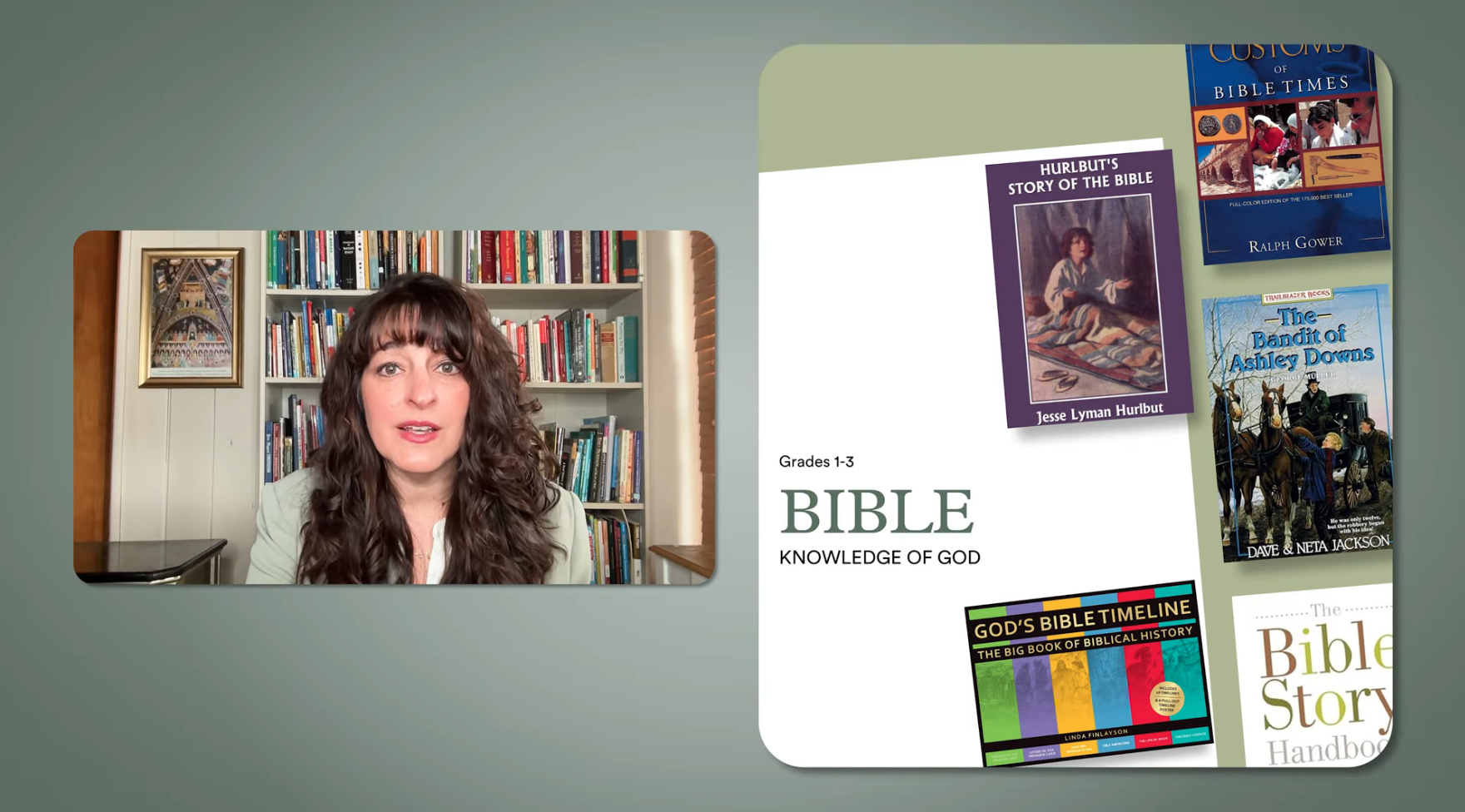
- Book Videos: Several members of the curriculum team share in overview of the books for 2026-27!
- Interested in using Alveary in your co-op, hybrid school, or school? We have options for you! Charlotte Mason’s philosophy works beautifully in both homeschool and classroom settings (and has almost since the very beginning!) You'll find a free guide on starting a co-op included on the page as well.
- Free Planning resource! Our scheduling helps include a planning worksheet to help you create a schedule that works for you! Helpful to anyone regardless of which curriculum you use!
- A FREE term of Composer Study lessons and a huge variety of samples to explore!
- Did you see last year's updates which highlight revisions to our ELA program, additional Science Electives, and more?
Social Media
See Alveary In action and inspiration for your Charlotte Mason lessons in general by looking at our saved stories and other social media.
